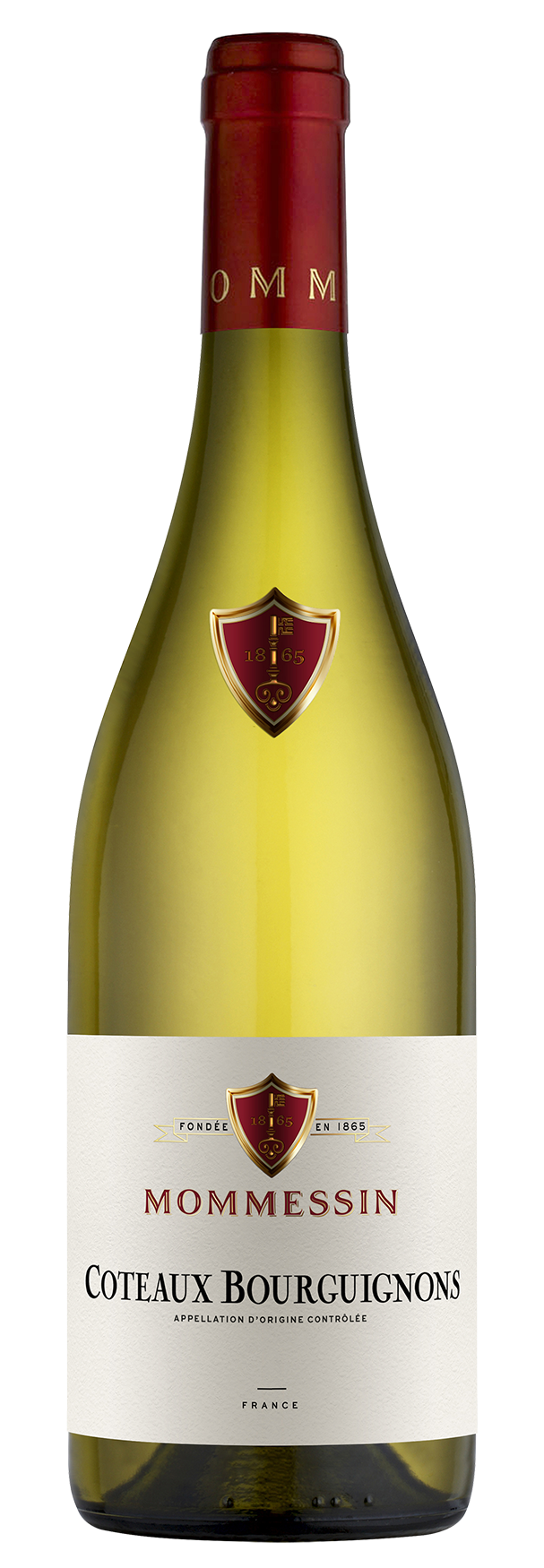
COTEAUX BOURGUIGNONS 2024
Grape varietal
Chardonnay.
Tasting notes
Colour: Pale gold with silver reflections.
Nose: Very pure and with a complexity of fruit aromas (peach, melon, grapefruit), light oak, coffee & vanilla nuances and hints of nuts – almonds and coconut.
Palate: Well-balanced with a combination of citrus, light oak and white flowers. A little touch of minerality on the finish reminds us that is a Chardonnay from Burgundy.
Serving suggestions
Serve ideally at a temperature of 12°C. (54°F.).
Food and wine pairing
Ideal with charcuterie, white meats, fish and cheeses.
Ageing potential
Ready to drink now, can be kept 2-3 years.
Terroir
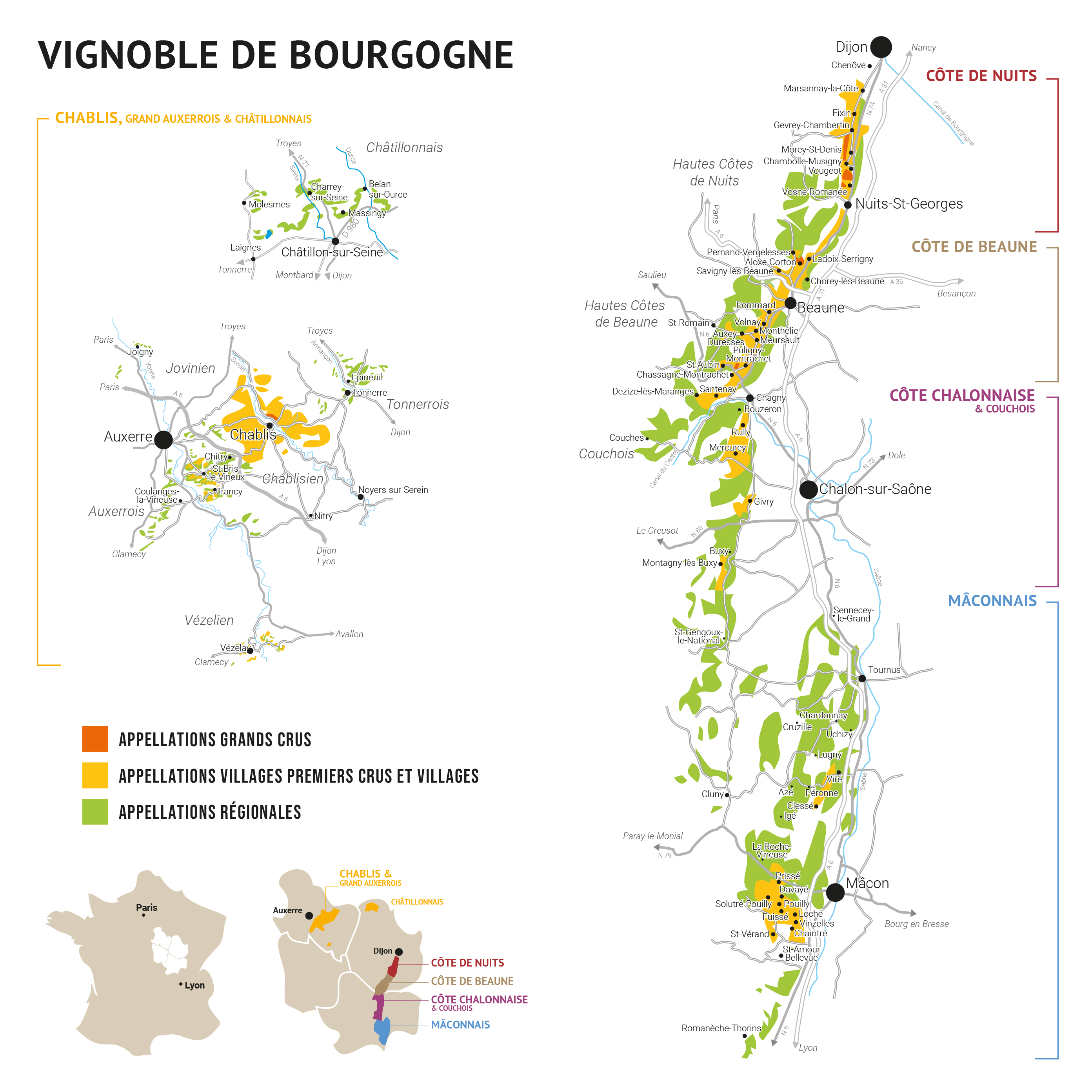
A regional appellation, made principally from Chardonnay grapes, our Coteaux Bourguignons can be produced from vineyards throughout the Greater Burgundy area. It becomes the 101st appellation in Burgundy, created in 2011, with a name that evokes a terroir and an expertise; a wine which allows consumers to gain access to high-quality pure Burgundy wine at a modest price. It offers the wine-lover the joy of discovery, the pleasure of tasting and comparing and the opportunity to learn more about this famous region. As Gaston Roupnel would say, this new Burgundy appellation will succeed "allowing the wine-loving world to drink the health of France!".
Vinification and maturing
Full bunches of grapes are pressed; about 140 kg of grapes are required to produce 100 litres of wine. The must is vinified in temperature-controlled stainless-steel tanks enabling an alcoholic fermentation at about 18°C. As such, we conserve the maximum fruitiness and primary aromas of the Chardonnay grape. Malo-lactic fermentation took place to enable the wine to soften and prepare for bottling.
Vintage : 2024
The winter of 2023-2024 was the 3rd warmest since 1900, with a particularly mild February. Spring was marked by heavy rainfall, with a notable lack of sunshine. Despite these conditions, temperatures remained above normal. Summer alternated between hot and cool spells, with hot spells in July. These climatic variations complicated plant health management in the vineyards, but winegrowers were able to keep the situation under control.
Yields for the 2024 harvest are expected to be low and very heterogeneous, with some plots suffering from coulure and millerandage. The first pruning began in early September. Harvesting was spread over three weeks, finishing at the end of September in the latest-ripening areas.
The reds have notes of raspberry, black cherry, pear and floral scents such as lily of the valley. Initial tastings reveal fruity, elegant, supple wines with a ruby colour. The range of aromas is broad, giving an impression of deliciousness on the palate, with a lovely freshness and pleasant complexity.
The white wines are remarkably fresh and elegant. Their bouquet offers citrus notes, enhanced by subtle floral touches and aromas of pear and peach. The wine is structured by a pronounced minerality, with a lively, unctuous texture.